


These 13 Fruits That Start With Q will pique your curiosity. They include fruits ranging from the well-known quince to the lesser-known quararibea and everything in between! Let’s dive into the alphabet game and see what we discover!
Save This Recipe
Let’s kick things off with a bit of a game: can you name a fruit that starts with Q without peeking at Google? Tough, right? Don’t worry; I’ve researched it all for you. I’m talking about fruits that can jazz up your salads, brighten your desserts, and revolutionize your morning smoothies.
From the mysteriously sweet to the refreshingly tart, each fruit on this list has a backstory. You’ll discover where they grow (hint: think lush, tropical paradises), how locals enjoy them, and why they deserve a spot in your kitchen.
So, if you want to know which fruits start with Q, read on!
List of 13 Fruits That Start With Q
A quirky and quite delicious world of fruits starts with ‘Q.’ I know what you’re thinking: “Q? What can I possibly find beyond quinces?” But hold on to your hats because I’ve got a lineup of some of the most scrumptious and splashy ‘Q’ fruits. Here’s a quick reference list for your ease. Read on to learn about each one.
- Quince
- Quandong
- Quararibea
- Quenepa
- Querina Apples
- Quinault Strawberry
- Queen Anne Cherries
- Queen Apples
- Queen Forelle Pears
- Queen Palm Fruit
- Queen Tahiti Pineapples
- Queensland Blueberry
- Quinoa
1. Quince
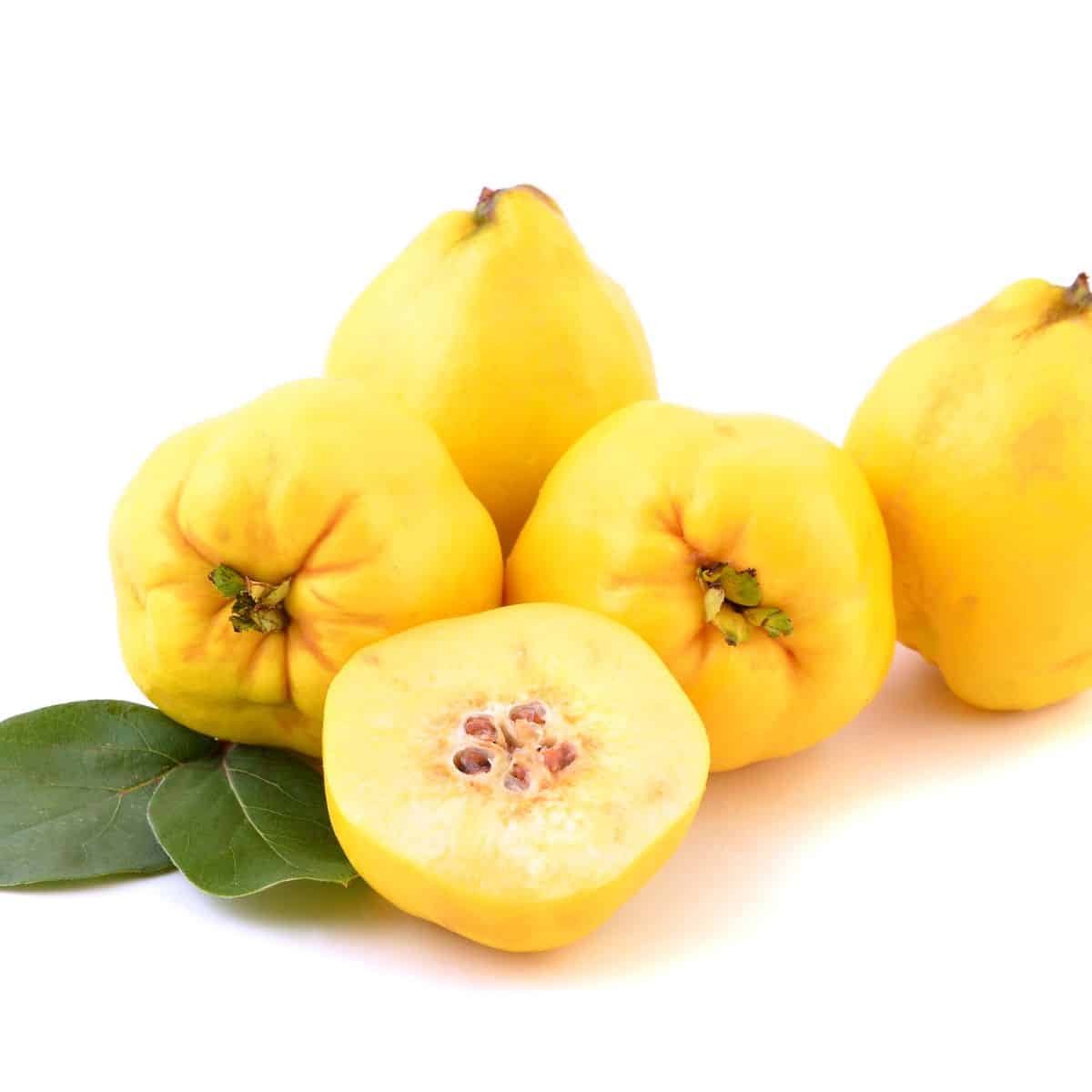
Meet the quince: a bright yellow, pear-shaped fruit with a unique charm. It’s covered in a soft, fuzzy layer and boasts a firm texture on the inside. Don’t bite right in, though; quince is famously tart when raw, so it’s usually cooked to bring out its sweeter side, transforming its flesh to a rosy pink. This fruit originates from the rocky landscapes of Iran and Turkey and is perfect in jams or pies, where its flavor truly shines.
2. Quandong
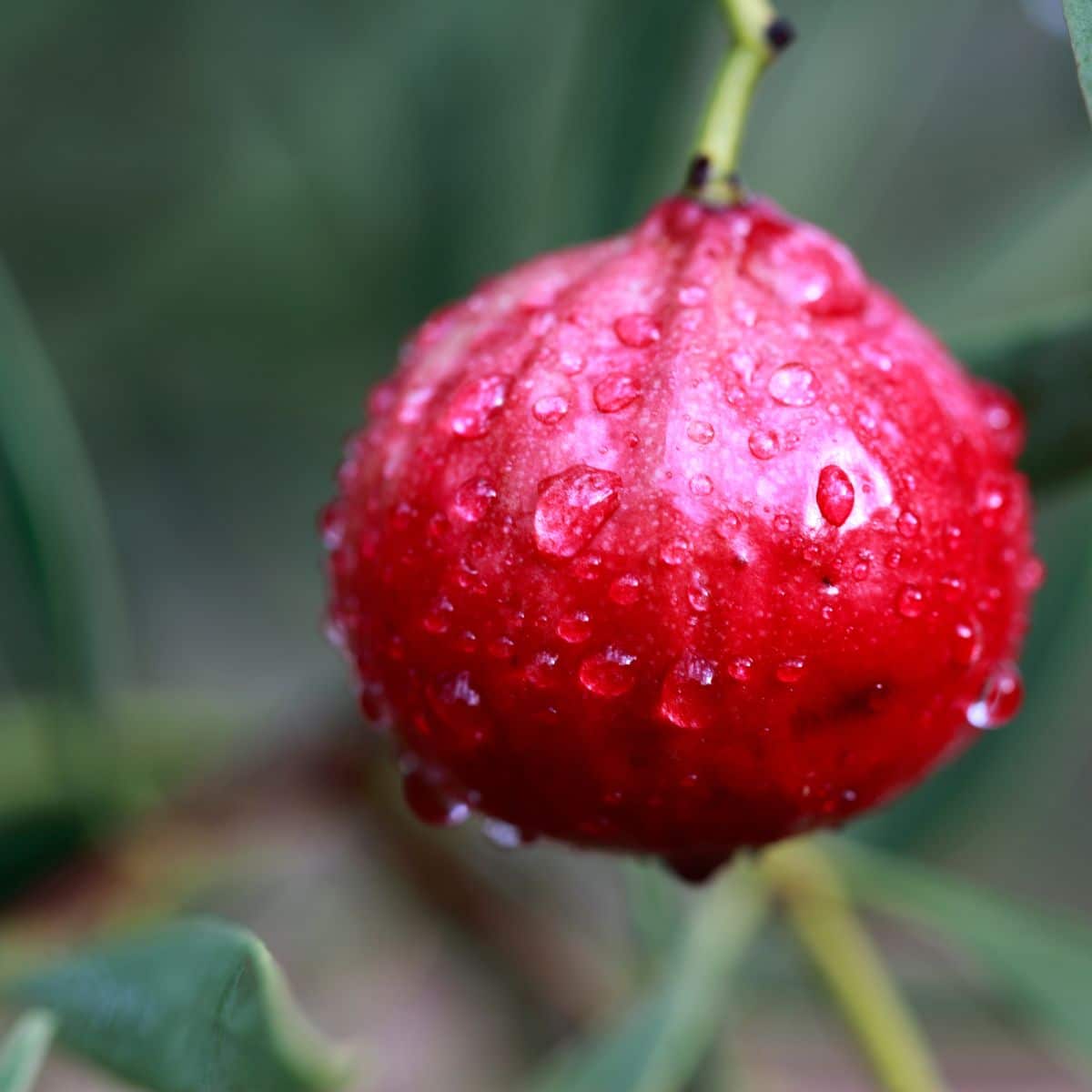
The quandong is a bright red Australian fruit that catches the eye. It’s round, about the size of a large marble, and you’ll often find it growing wild in the arid regions of Australia. Don’t let its tough exterior fool you; once you cook the quandong, it reveals a tart, slightly peachy flavor that’s quite refreshing. Also, being loaded with vitamins C and E, eating quandongs can boost your immune system.
3. Quararibea
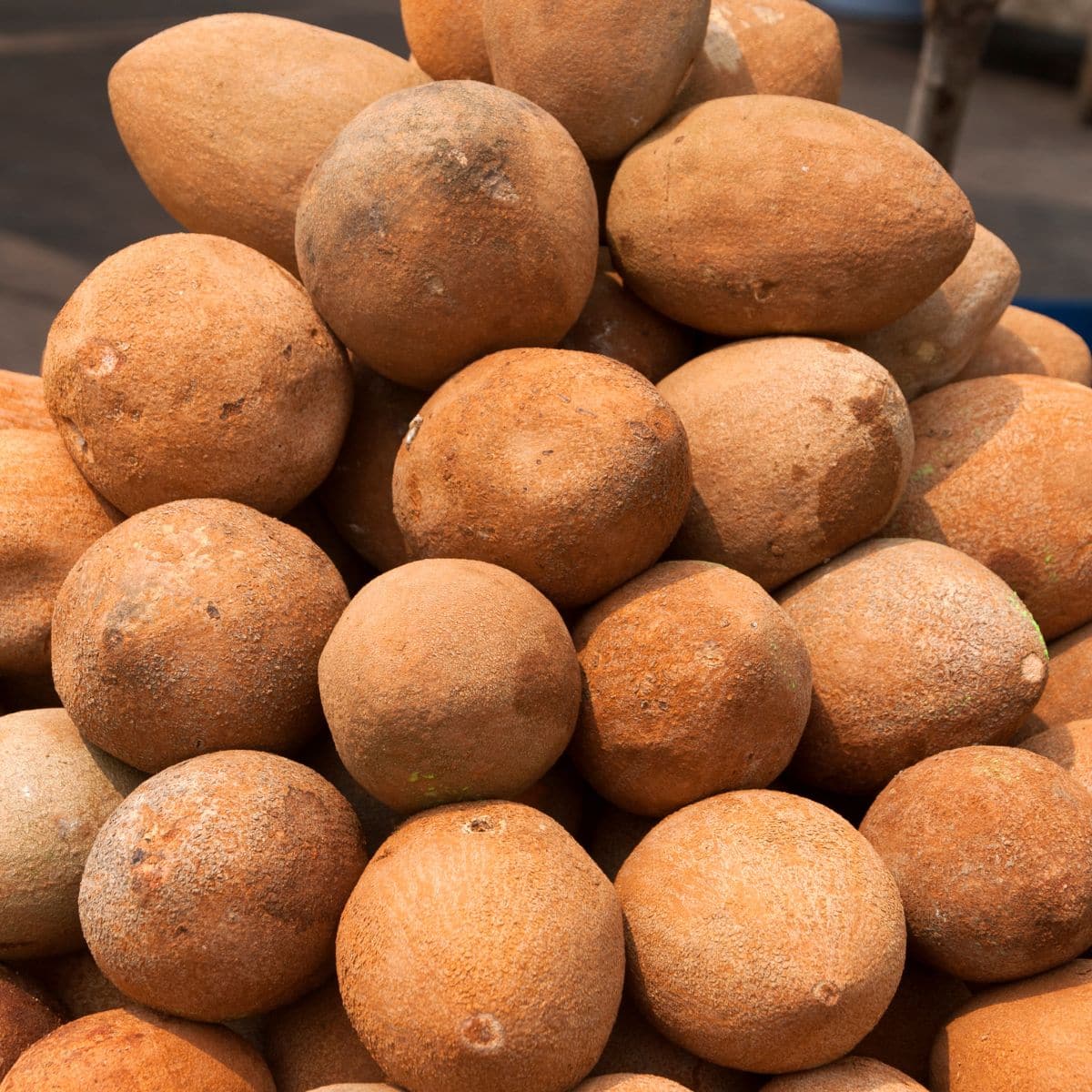
In some places, the Quararibea fruit is also known as the South American sapote. This fascinating fruit originates from the tropical forests of Central and South America.
Appearance-wise, the Quararibea fruit is known for its bright yellowish-orange skin when ripe, resembling a large, smooth stone. The skin is fairly thin, making it easy to peel off to reveal the soft, creamy flesh.
When you taste the Quararibea, you might be reminded of popular tropical fruits. Its flesh is delightfully sweet, with flavors that echo a blend of mango and peach, and it has a custard-like texture that makes it a favorite for eating fresh out of hand.
4. Quenepa
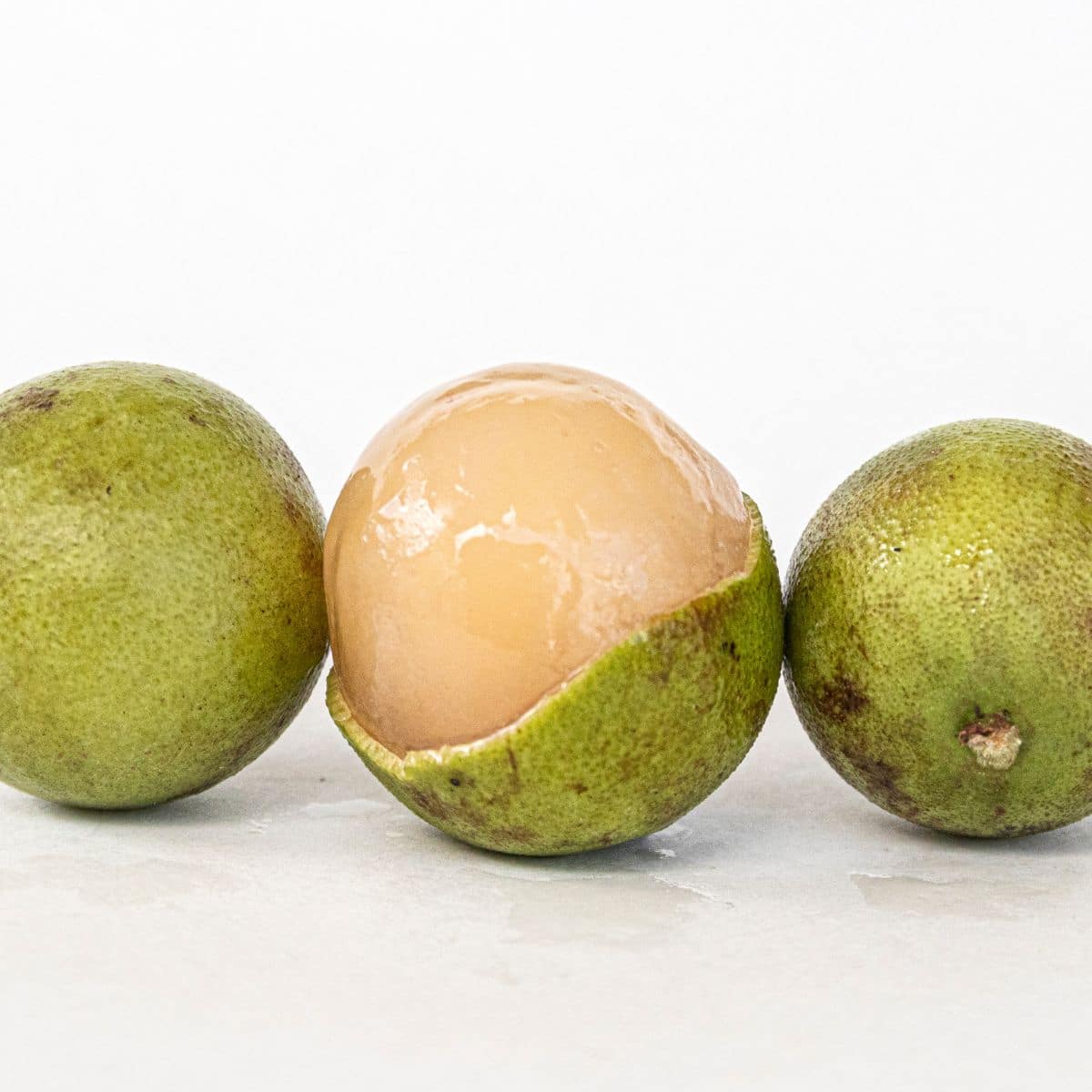
The quenepa is a small, delightful fruit that’s big on taste and comes from the tropics of Central and South America and the Caribbean. Thanks to its green outer skin, this fruit looks like a lime at first glance, but inside, it’s a whole different story. You’ll find a jelly-like flesh that’s sweet and tangy simultaneously—it’s an absolute flavor explosion.
5. Querina Apples
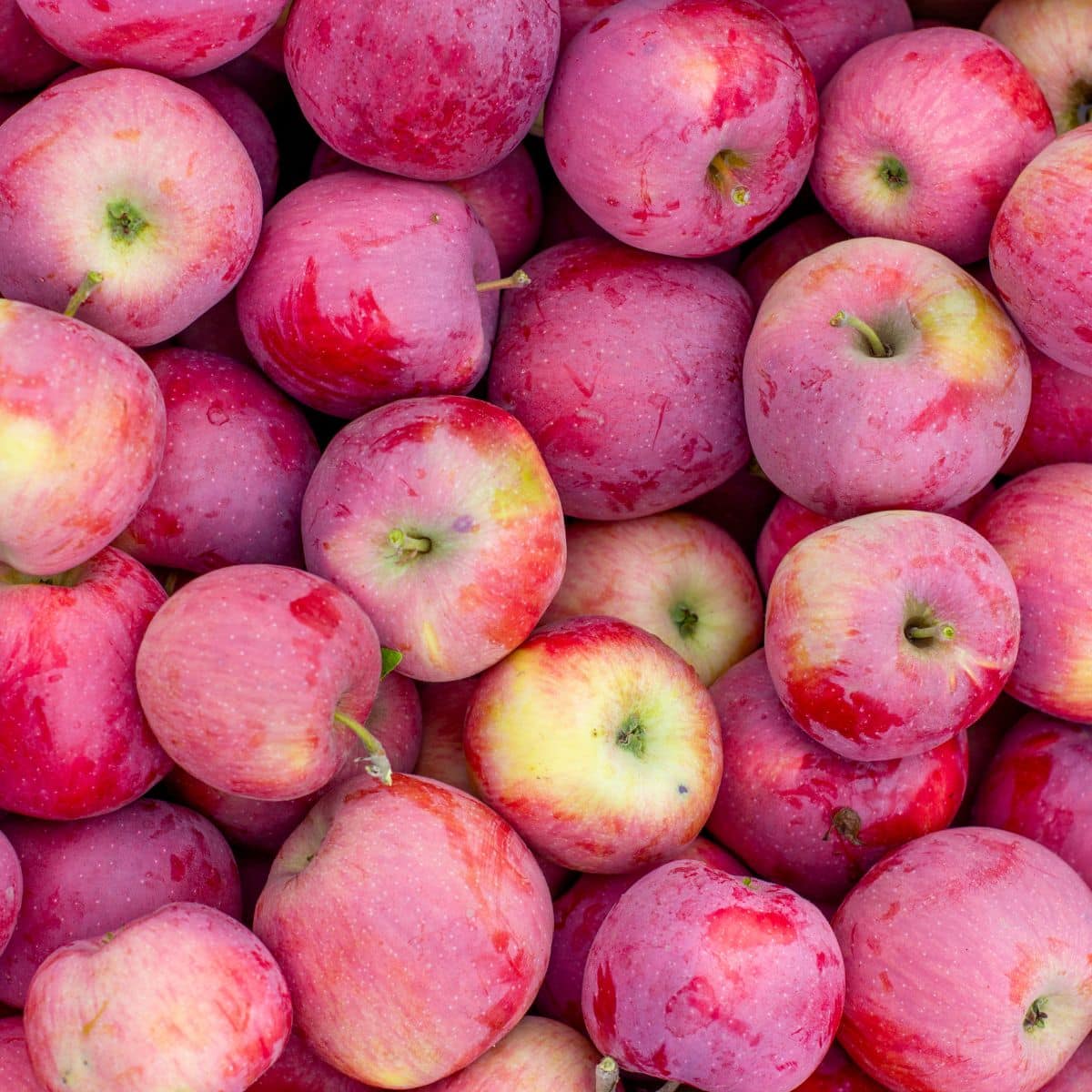
The Querina apple, also known as Florina, is a treat from the orchards of France. This apple stands out with its pretty red blush and streaks of yellow across the skin, a real eye-catcher in any fruit bowl. Bite into one, and you’ll enjoy a crisp, juicy, perfect balance of sweet and tart flavors, making it suitable for snacking.
6. Quinault Strawberry
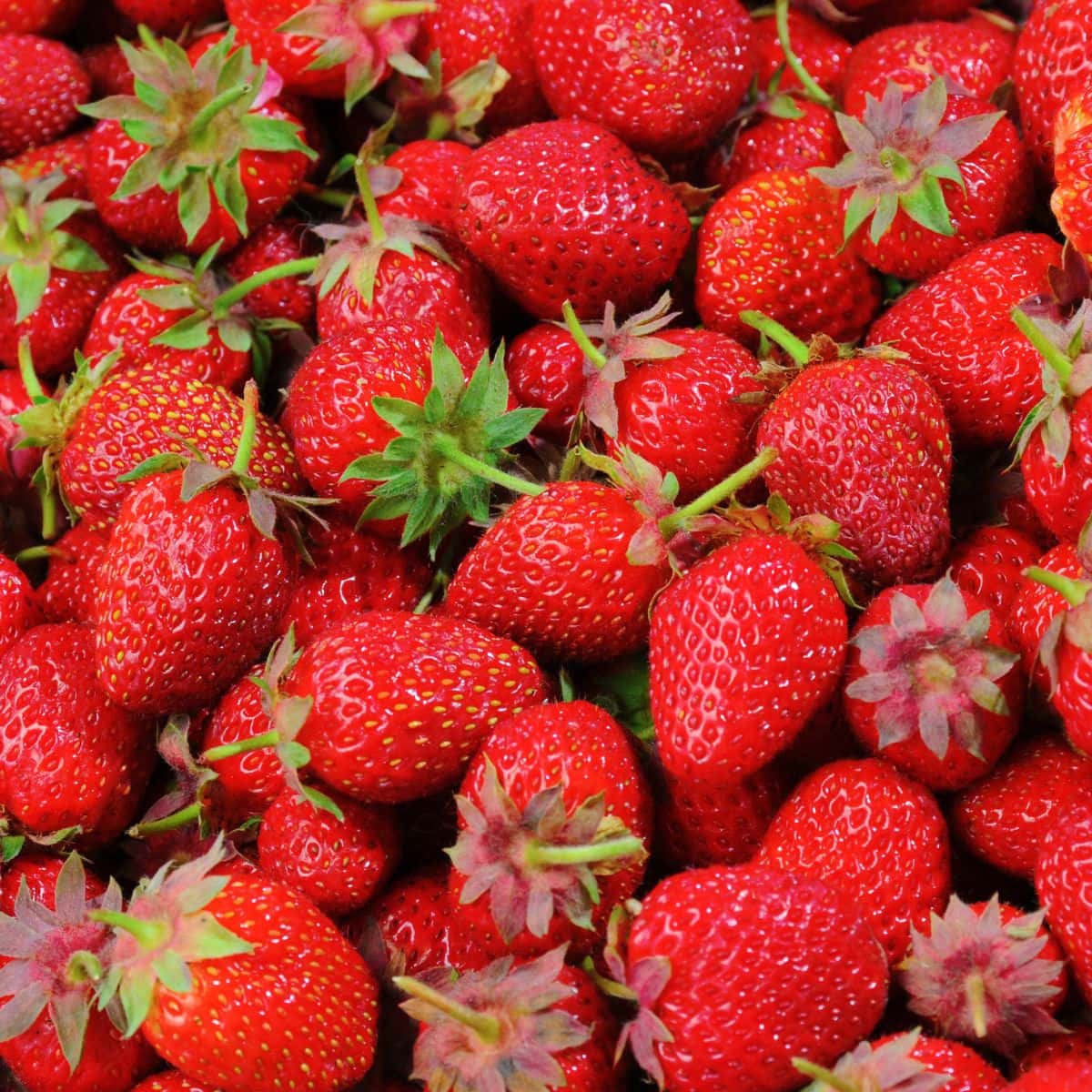
If you like strawberries, let me tell you about the Quinault Strawberry. These berries are a lovely sight with their big, deep red bodies that are just as plump as they are juicy. Grown in the cool climates of the Pacific Northwest, especially in places like Washington State, they’re known for their size and sweetness. One bite and you’ll taste the rich, sweet flavor with a slight hint of tartness that makes them perfect for eating fresh or for use in your favorite dessert recipes.
7. Queen Anne Cherries
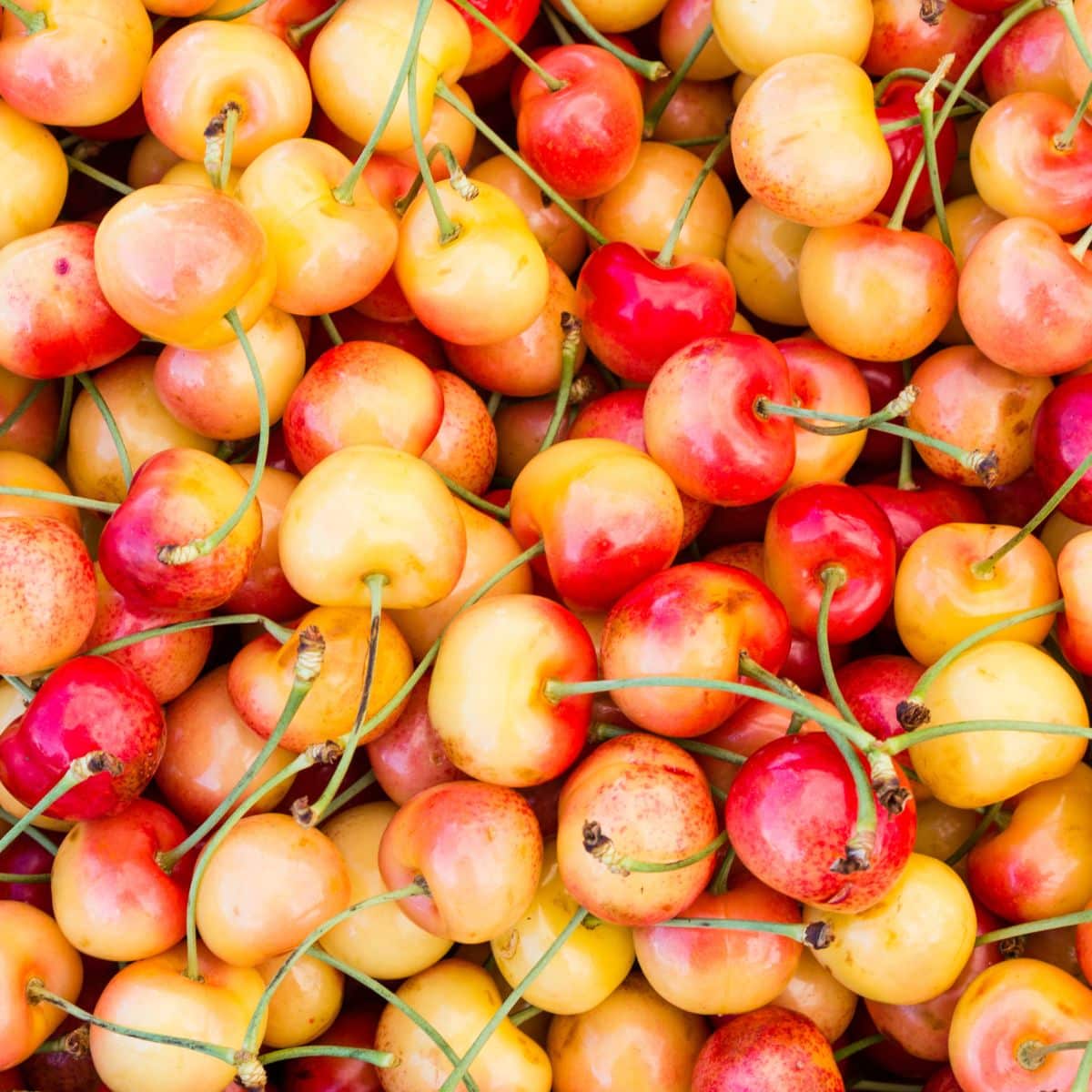
The Queen Anne Cherries are pretty with a pale yellow color and a bright red blush, making them almost too cute to eat. They are from the sunny orchards of the United States, where they are picked at peak ripeness during the cherry season. These cherries are sweet with just a whisper of tartness, making them perfect for snacking or tossing into your summer salads.
8. Queen Apples
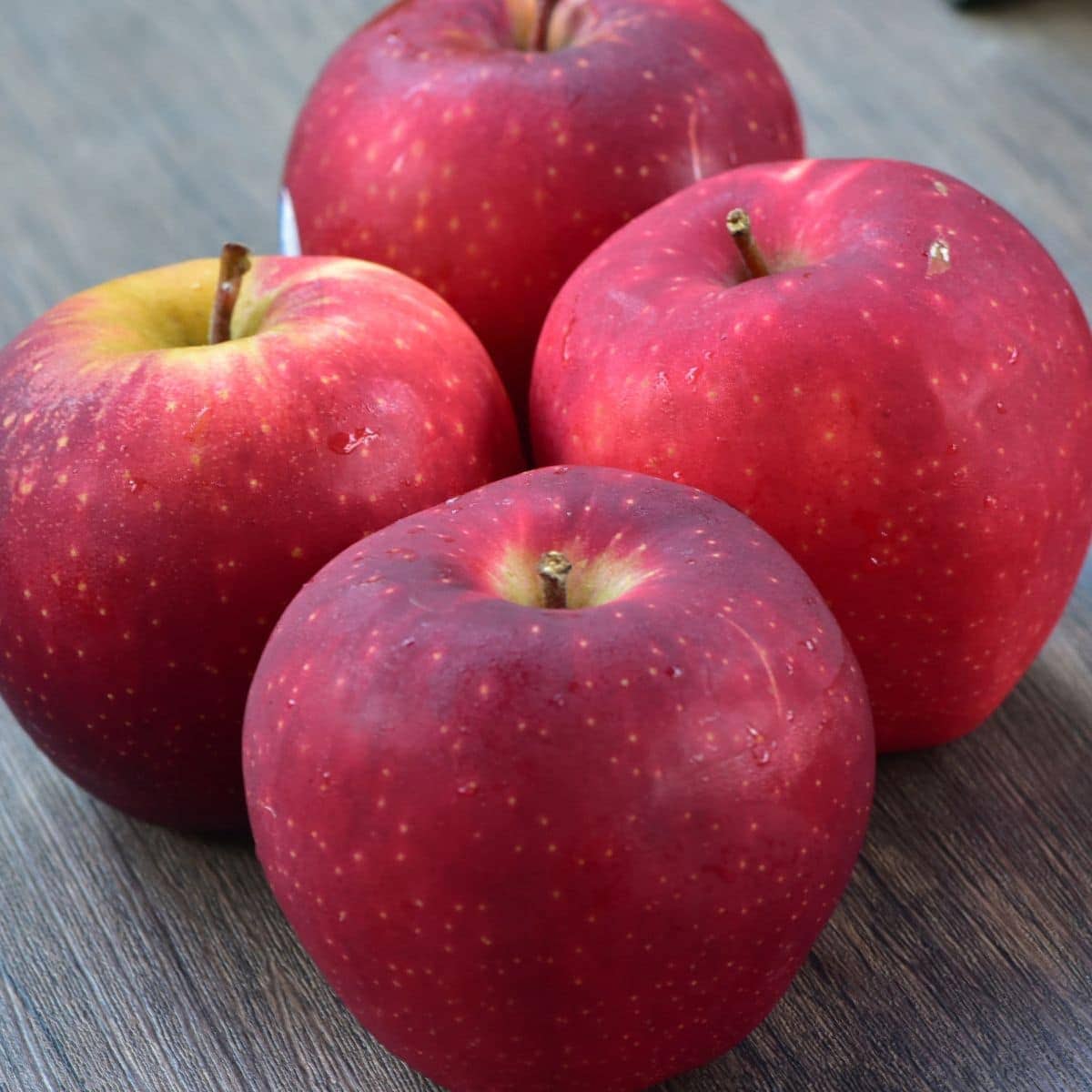
The Queen Apple is hailed as a beloved fruit for its crisp texture and sweet flavor. These apples are a visual treat, too, sporting a glossy red skin that’s sometimes kissed with a touch of green – definitely royalty in the apple world. They come from the cooler climates of Europe and thrive exceptionally well in the UK. Perfect for eating fresh out of hand, Queen Apples also shine in pies and salads thanks to their ability to hold shape when cooked.
9. Queen Forelle Pears
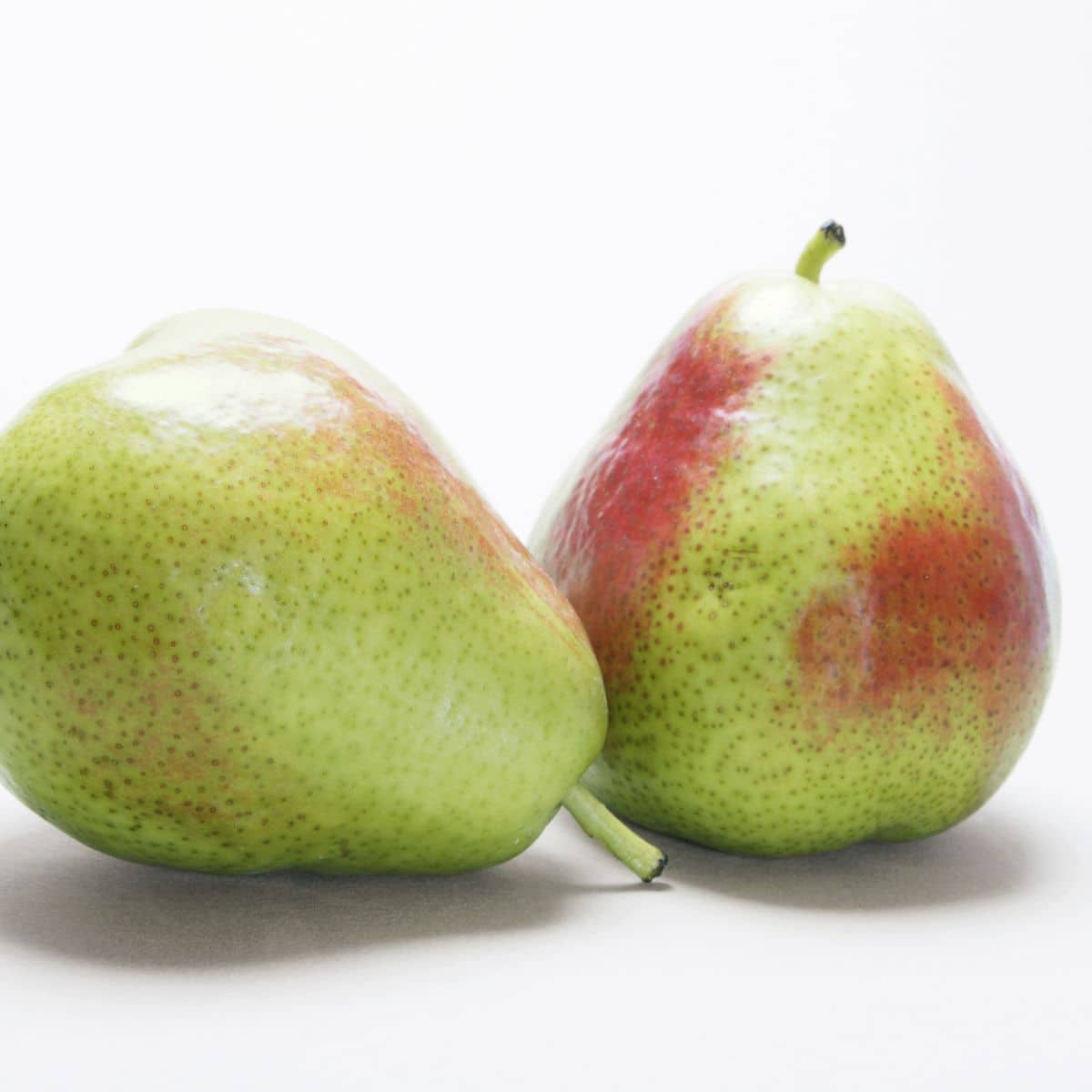
The Queen’s Forelle Pear originates from Germany. Its beautiful appearance makes it stand out in any fruit bowl. It is smaller than most pears, with a bell shape and distinctive yellow skin covered in bright red freckles when fully ripe.
Their flesh is crisp and juicy with a sweetness complemented by a hint of cinnamon – it’s like tasting autumn in every bite. They’re incredibly refreshing when eaten raw and just as delightful in desserts, where their firm texture can hold up to cooking. In Europe, particularly Germany, these pears are a favorite during the holiday season, often featured in festive dishes or enjoyed as a quick, sweet snack.
10. Queen Palm Fruit
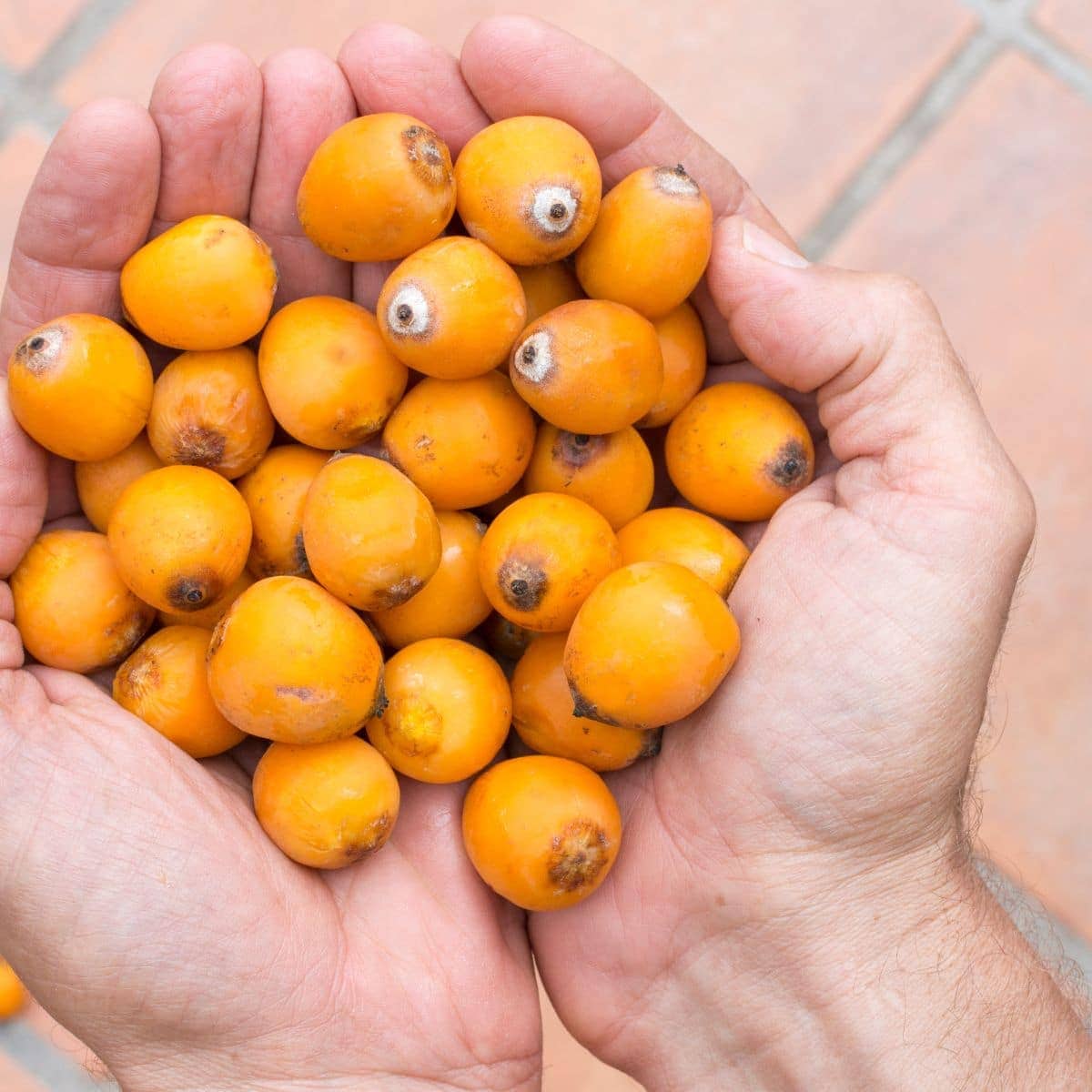
The Queen Palm Fruit is a lesser-known treat from the majestic Queen Palm Trees that are often seen decorating landscapes of warm climates like those in Brazil and Argentina. This fruit is small, about the size of an olive, and it sports a deep orange to almost red color when it’s ripe and ready to eat.
Their taste is an exciting mix of sweet and tart with a tropical twist. Imagine the flavors of apricot and banana mashed together—that’s what each bite brings to the table. Also, when you see them up close, the Queen Palm Fruits are quite striking, hanging in clusters that can look quite decorative.
11. Queen Tahiti Pineapples
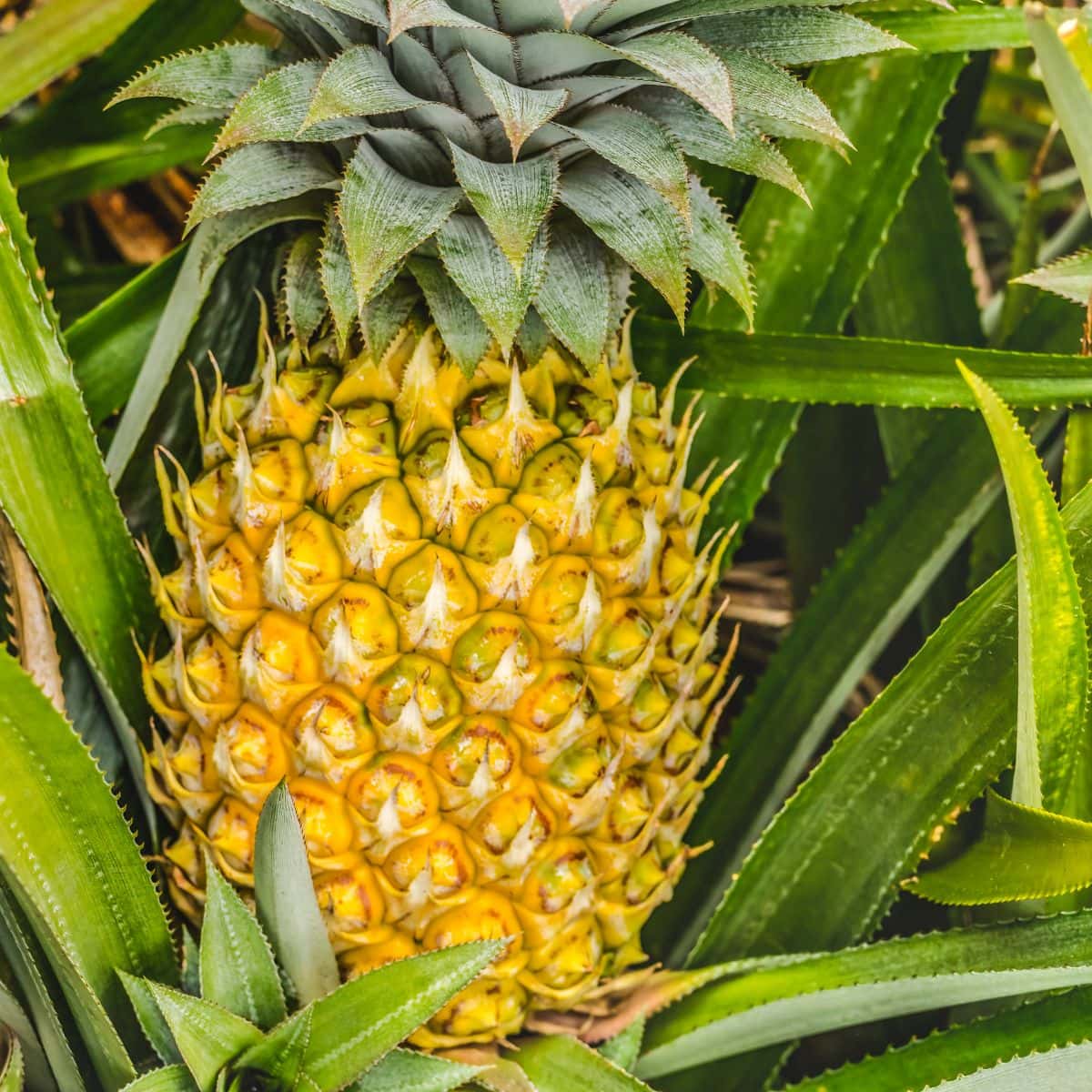
The Queen Tahiti pineapples come from the beautiful islands of French Polynesia, where they soak up the tropical sun and ocean breezes.
The Queen Tahiti Pineapple visually stands out for its vibrant golden-yellow skin and slightly more elongated shape than regular supermarket types. It also has a juicy and firm texture, making every bite delightful.
Taste-wise, think of a sweetness milder than the usual pineapple but with a rich flavor with hints of coconut and vanilla. It’s less acidic, so it’s easy on your stomach while still having a nice zing!
12. Queensland Blueberry
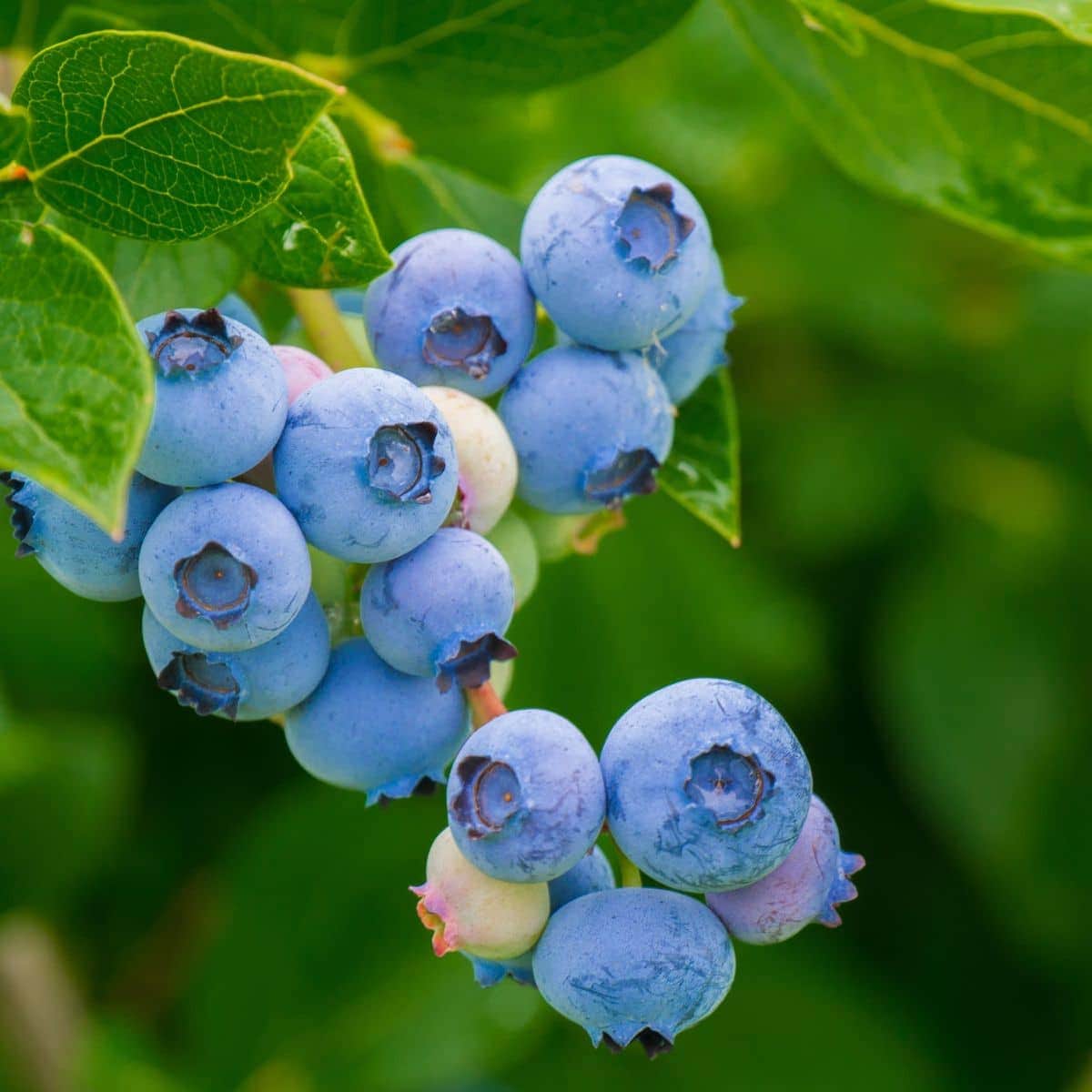
Meet the Queensland Blueberry, a plump and tasty berry from Australia’s sunny Queensland. These blueberries are larger than you might be used to, and they pack a punch in flavor. They have a deep blue hue, almost purple, and are covered with a slight silvery sheen that rubs off when you handle them.
13. Quinoa
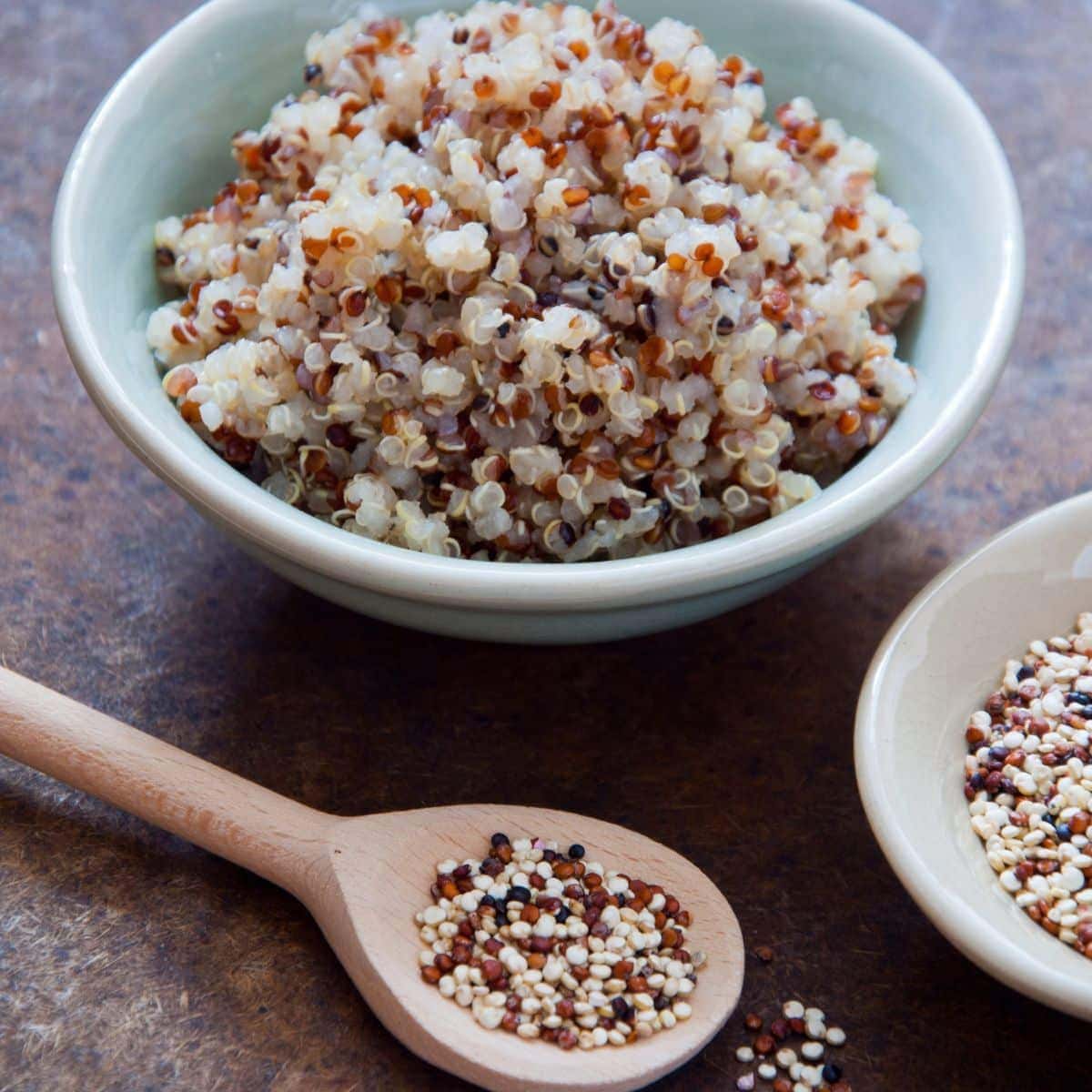
The quinoa isn’t a fruit but a seed from the Andes Mountains in South America. Quinoa is often called a “superfood” because it contains protein and all nine essential amino acids.
When cooked, quinoa has a fluffy texture and a mildly nutty flavor, making it a fantastic base for various dishes. It’s pretty versatile — you can use it just like rice or couscous. Quinoa looks like tiny beads, and once cooked, each grain becomes translucent and is ringed with a curly germ.
Final Thoughts
Well, that wraps up our little adventure through some of the world’s most exciting treats from nature’s basket.
I had fun sharing all these goodies with you, and I hope you’re now excited to try some of them yourself.
Remember, every bite is a chance to explore new tastes and bring culinary magic into your everyday meals.
More Fruits from A to Z!
Please comment below if you found this article helpful or have any additional questions. You can also follow me on Instagram, Pinterest, and Facebook for more family-friendly vegan recipes!
Leave a Reply